


Unexpected change is part of every journey. Sometimes it arrives gently. Other times it sweeps in, changing everything we know. How we respond shapes the story of our lives, and in our view, adaptive thinking is the foundation for meeting uncertainty with calm and strength.
Understanding adaptive thinking
Adaptive thinking is the ability to adjust our thoughts and behaviors when things do not go as planned. It’s about being flexible in mind and open to creative solutions. Changes we cannot control are certain, but our response can be a choice. Adaptive thinking means we learn, recover, and act with purpose even when the world seems unpredictable.
We often think of change as an external force. Yet, the most powerful part of navigating change happens inside us. Adaptive thinking is more than just responding. It means seeing change as an invitation rather than a threat.
Change is not the enemy. The real challenge is resistance to growth.
Why do we react to unexpected change?
When the unexpected arrives, our mind and body react. We may feel worry, frustration, even fear. This is natural. Our instincts are wired to keep us safe. In our experience, understanding these reactions is a first step in calming them.
- Uncertainty triggers fear - Not knowing what lies ahead can make us anxious.
- Loss of control - Change can make us feel powerless.
- Attachment to outcomes - We all get attached to how we want things to be.
Adaptive thinking does not mean ignoring discomfort. It means working with it, using it as information to guide wiser choices.
Tools for building adaptive thinking
How do we train our mind to stay calm and flexible? Here are some tools we use ourselves, and recommend regularly:
- Pause and notice Take a moment to feel the change. Notice your breath. Are you holding tension? Taking a pause helps us choose our next step, rather than reacting from stress.
- Ask new questions Instead of "Why did this happen to me?", ask "What can I learn here?" or "How can I move forward?" Changing the questions we ask sparks new ideas.
- Reframe the narrative We don't always choose what happens, but we can choose the story we tell ourselves. Perhaps rather than a setback, this is a starting point. Maybe failure is feedback.
- Practice self-kindness Self-blame and harsh criticism do not help us grow. Speak to yourself gently. Everyone learns as they go.
- Take small steps Action brings clarity. When all feels chaotic, break things into small, possible steps. Even the smallest progress is progress.
Growth does not always roar. Sometimes it whispers, "try again."
Training our mind for flexibility
Adaptive thinking, like any skill, grows with practice. Here are simple ways we invite adaptive habits into daily life:
- Change routines on purpose - Try new ways of doing everyday tasks. Take a different route to work or swap daily habits. Comfort with small changes builds strength for bigger ones.
- Reflect on past changes - Think of a difficult change you faced before. What worked? What would you do differently now?
- Explore new perspectives - Listen to someone whose view is different from yours. Openness to new ideas stretches our mental flexibility.
- Practice gratitude - Even in change, what remains steady? Noticing what we still value calms the mind and grounds us.
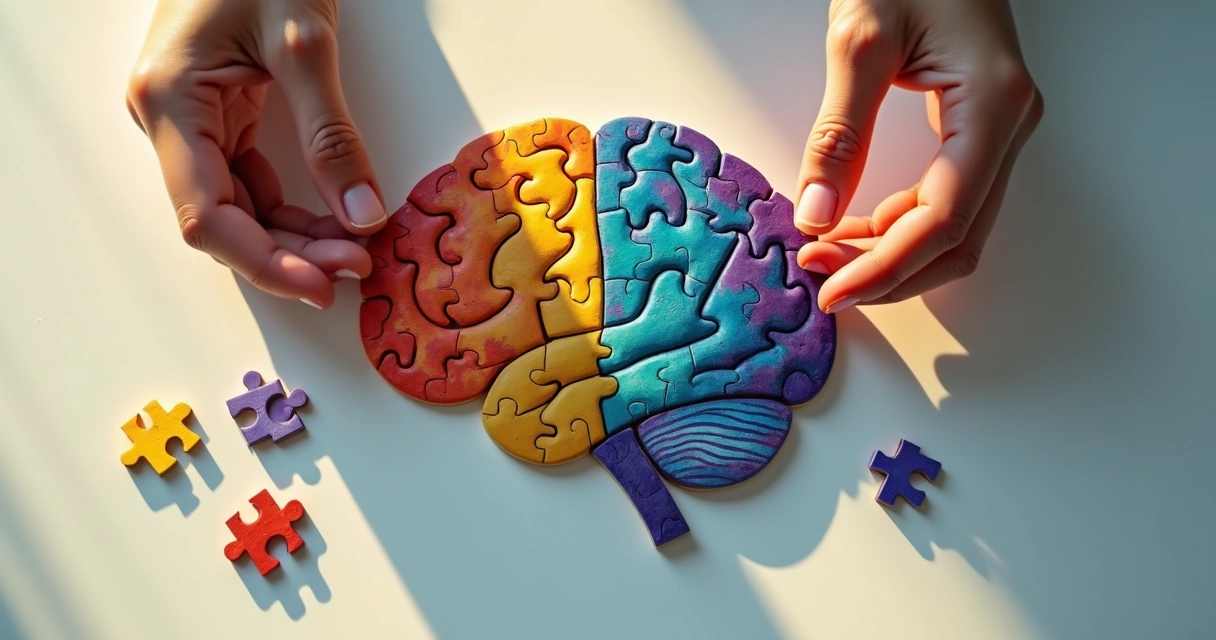
The role of emotions in adaptive thinking
It’s easy to focus only on thoughts, but emotions are just as central. When surprise arrives, feelings wake up. We might feel irritation, loss, or worry.
In our observation, adaptive thinking grows when we welcome emotions, not fight them. Take a moment. Label what you feel. This is not weakness. It’s wisdom-in-action.
- Allow emotions - Notice, name, and accept what’s there, without trying to fix it immediately.
- Share with others - Trusted conversation helps soften intense feelings. Speaking out loud brings clarity and comfort.
- Shift with movement - Sometimes, walking or gentle stretching helps us process emotions we cannot yet describe.
Emotions are signals, not obstacles.
Creativity: an ally in uncertain times
Creative thinking helps us respond to the unknown. This doesn’t mean painting or writing poetry, unless you want it to. Creative solutions are everywhere: rearranging a plan, connecting ideas, or setting new goals.
We think there are ways to spark creativity, even if creativity feels far away:
- Ask “what else could work?” when the usual path is blocked
- Allow trial and error without pressure for perfection
- Use brainstorming with friends or peers for fresh ideas
- Give time for your mind to wander—new answers may arrive unexpectedly
When we realize there are always more options than we see at first, change becomes less frightening.
Growing through connection
While adaptation happens within us, support from others multiplies our resilience. We often think we must carry challenges alone, but shared struggles become lighter.
- Keep in touch with people who help you feel grounded
- Ask for ideas or encouragement from someone you trust
- Remember, needing support is a sign of strength, not weakness

Staying grounded: mindful presence
Adaptive thinking grows from a calm mind. Simple and regular mindfulness practices, such as a few quiet breaths or noticing the physical sensations of the moment, can create space between reaction and response.
Even one pause, even one mindful breath, can turn chaos into clarity.
Conclusion: Calm through flexibility
Change finds us all, sometimes when we least expect it. In our view, adaptive thinking does not erase uncertainty, but it gives us the skills to meet life with calm, purpose, and even a sense of curiosity. Each tool we use—pausing, asking new questions, reframing, practicing kindness, and staying creative—strengthens our ability to respond with wisdom instead of fear.
In the face of the unknown, we remember:
A flexible mind is a calm mind.
Frequently asked questions
What is adaptive thinking?
Adaptive thinking is the ability to adjust our thoughts, actions, and attitudes when faced with new or unexpected situations. It means remaining open to change, finding creative solutions, and recovering from challenges without getting stuck in old patterns.
How to stay calm during change?
We suggest pausing to notice your reactions, taking deep breaths, and allowing emotions to be present. Reframing the situation with a new question or perspective often helps. Support from others, movement, and focusing on small, manageable steps can bring calm during times of change.
What are the best adaptive thinking tools?
Some key tools are: pausing before acting, asking new questions, reframing negative thoughts, practicing self-kindness, and taking small steps forward. Mindfulness and creative brainstorming also support adaptive thinking during uncertainty.
How can I practice adaptive thinking?
You can practice by intentionally changing small routines, reflecting on how you handled past changes, welcoming new viewpoints, and using mindfulness techniques like focused breathing. It’s a gradual process that gets easier with time and patience.
Is adaptive thinking good for stress?
Yes. Adaptive thinking helps reduce stress by shifting focus from what we cannot control to what actions we can take. It encourages openness, creativity, and self-compassion, all of which make stress feel less overwhelming.