

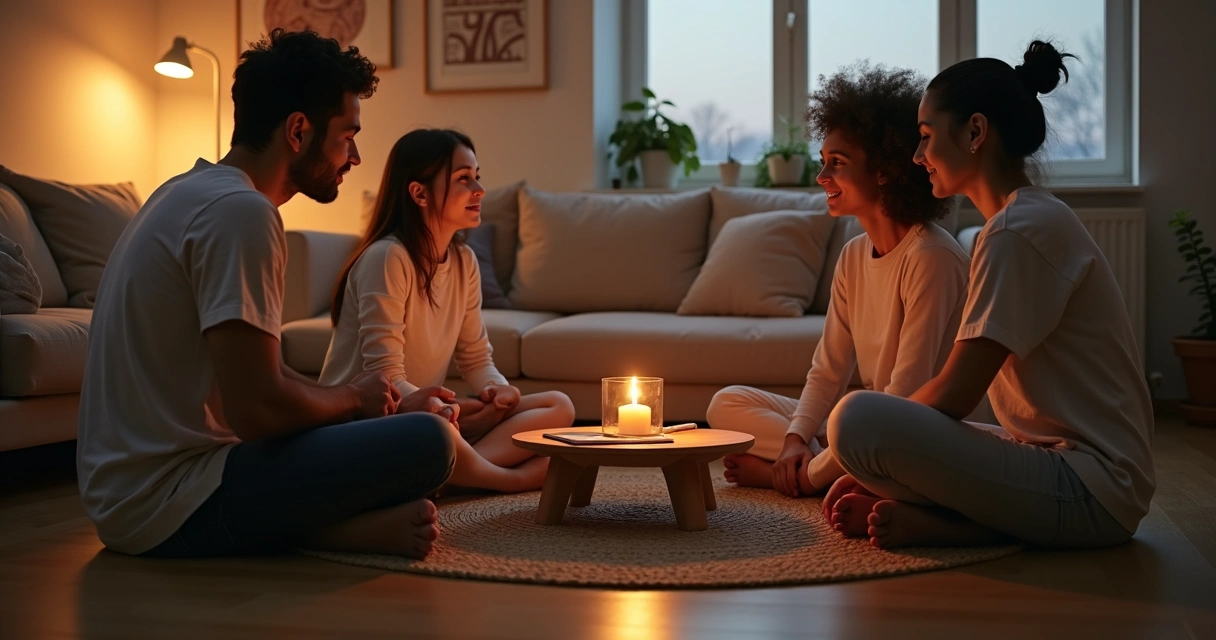
How often do we walk through our front door, distracted by our thoughts, barely aware of the other people sharing the same space? Home is more than just walls and rooms. It is where our collective attention, feelings, and intentions combine to shape our sense of belonging. In our experience, simple daily rituals are among the most effective ways to nurture shared consciousness at home. Let’s look together at habits that can transform the atmosphere and deepen the bonds between everyone living under one roof.
What is shared consciousness at home?
Shared consciousness is the collective awareness, presence, and understanding that grows among people living together when they are intentional about their connections and daily interactions. When we pay attention not only to our needs but to the moods, intentions, and energy of others, the family or household starts to feel more unified. This sense of unity influences the way we talk, solve problems, and even experience joy together.
It does not require dramatic changes or complex rituals. Often, the smallest habits make the largest difference. We have found that the aim is not perfection, but being open and present. Moments of genuine attention, if repeated, become the building blocks of trust and understanding.
Morning rituals to set the tone
The way a household begins the day forms the emotional climate for everything that follows. In our view, a morning ritual is like lighting a candle for the day ahead – it is brief, bright, and full of intention.
- Shared Silence: Before talking or picking up devices, everyone gathers for one minute of shared silence. This short moment helps ground the mind before the rush of responsibilities begins.
- Morning Check-In: We often recommend a quick circle in which everyone shares one word for how they feel or their intention for the day. No explanations – just acknowledgment.
- Breakfast Together: If possible, even a short breakfast at the same table. Phones and screens off. This small act says, “We are here, not just passing by each other.”
If a busy schedule makes sitting down together impossible, we have seen that even a handwritten note left on the table or a warm greeting can be a meaningful ritual.
Presence at the start of the day changes everything.
Evening rituals for reconnection
The evening draws us home again. After a day spent in different places and mindsets, the transition back into shared space is crucial.
- Evening Reflection: Light a candle and ask each person to share one “high” and one “low” from their day. This ritual opens a channel for honest dialogue without pressure.
- Technology Pause: For 20 minutes, all screens go off. We sit together, maybe just sharing the same room or listening to music. This pause creates room for unwinding and spontaneous conversation.
- Gratitude Practice: Each person names something or someone they’re grateful for from the day. This habit tunes our minds to appreciation, not complaints.
Evenings often bring fatigue and stress, but in our experience, rituals like these gently reset the emotional balance of the home.
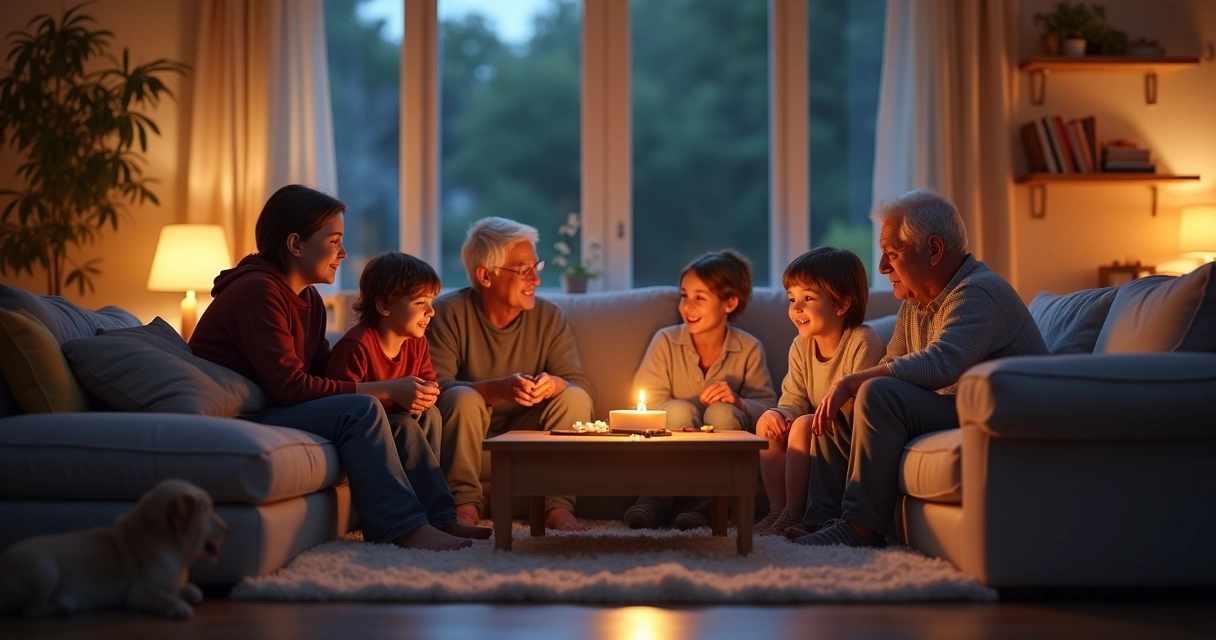
Coming home is also coming together.
Shared meals as mindful anchors
Meals are the oldest social ritual. Eating together is not only about nutrition. When shared mindfully, food becomes a way to anchor the group in the present.
We suggest trying these habits:
- Begin with a Pause: Before eating, everyone takes a deep breath. Some may like to express thanks, but even a brief pause to notice the food is enough.
- One Conversation at a Time: Meals are often noisy, with many conversations at once. We find it powerful to agree on one topic or give everyone a turn before moving on.
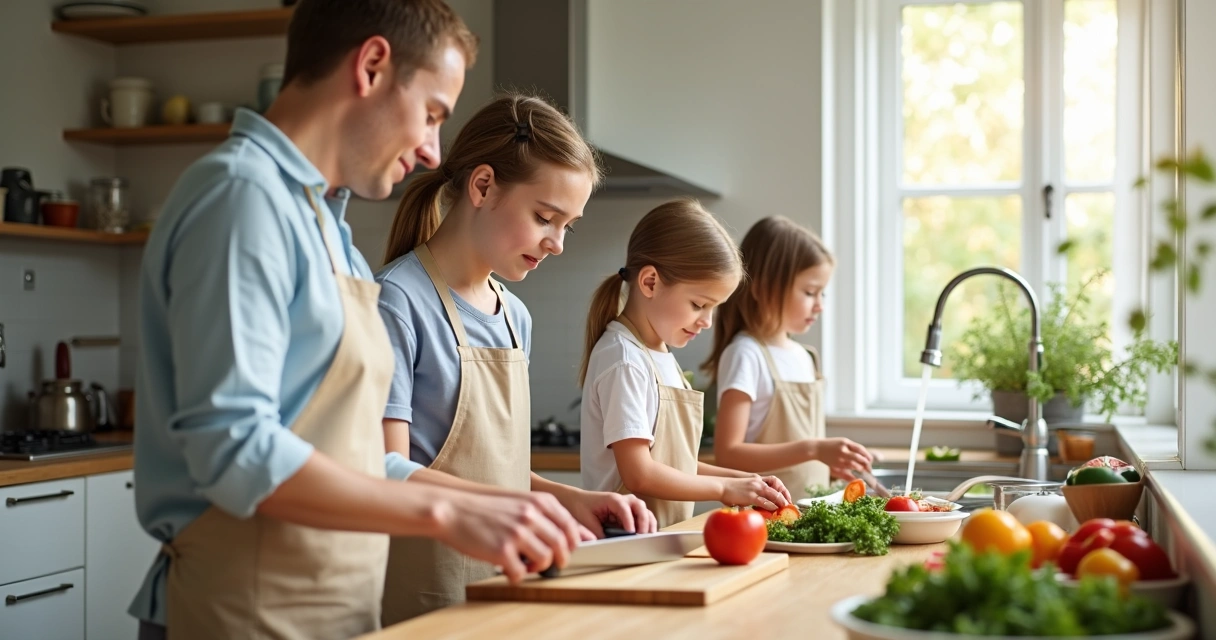
- Cooking Together: When schedules align, preparing a meal together can be just as powerful as eating it. Assign simple tasks so everyone, including children, can join in.
Even if only done once or twice a week, these rituals help ground the home in presence and connection.
Weekly or monthly rituals to deepen bonds
Not every ritual must happen daily. Some of the most meaningful ones happen weekly or even monthly, creating a sense of tradition. Here are a few we have seen bring families closer:
- Family Circle: Pick a time each week for a “family circle.” Sit in a circle and let everyone speak about something meaningful or a wish for the coming days.
- Cleaning Together: Once a week, turn on music and clean shared spaces as a group. This transforms chores into opportunities for cooperation and laughter.
- Story Night: Choose one evening for reading aloud, telling stories from your own life, or listening to music together. Create a predictable pattern that everyone can look forward to.
Tradition brings comfort and a sense of rhythm to family life, especially for children. Rituals, when practiced regularly but gently, become the invisible threads that hold people together through changing seasons.
Simple mindful pauses in daily life
Shared consciousness does not depend on grand gestures. Sometimes, the most transformative rituals take less than a minute. In our experience, “mindful pauses” sprinkled throughout a day can shift the entire home’s mood.
- Pause before entering the house. Take a slow breath, and set an intention to bring home your best self, not your stress.
- Take a few seconds before responding in a tense conversation. This pause helps everyone remember connection instead of reactivity.
- After a disagreement, practice a simple “reset.” Share a smile, a soft word, or a comforting touch to signal things can start fresh.
What matters is consistency, not complexity.
Rituals are reminders: we belong not only to ourselves, but to each other.
Making rituals inviting, not forced
We have learned that for rituals to truly increase shared consciousness at home, they must feel inviting. Not one more obligation. The best way is always gentle encouragement. Start small. Keep it simple. Allow people—especially children and teens—to participate as much or as little as they wish at first.
The heart of a ritual is intention, not performance. If a moment feels tense or unnatural, let it go for that day. Rituals are living things: they can and should change as the people in the home change. Gather feedback, notice what feels natural, and adjust as needed.
Instead of strict rules, rituals can become a source of comfort. Over time, even the most skeptical members of a household often begin to look forward to these moments.
Conclusion: The power of small, shared moments
Rituals are not about control. They are about care. Shared consciousness flourishes when we slow our pace just enough to notice ourselves and each other. By weaving simple, mindful habits into our routines, we create a home that is more than just a shelter.
A home with shared consciousness is a living field. Everyone’s attention, kindness, and presence shape the atmosphere, the relationships, and even the future. The best part? It is never too late to begin. Start with one simple ritual this week. Watch what quietly unfolds.
Frequently asked questions
What is shared consciousness at home?
Shared consciousness at home is the experience of being mutually aware, connected, and intentional in daily interactions, where every member feels seen and part of a living whole. It is not about always agreeing, but about acting with presence and care toward each other.
How to start simple home rituals?
We recommend choosing one activity everyone can join easily, like a shared moment of silence in the morning or a gratitude round at dinner. Keep it short and repeat it daily until it feels natural. Gradually invite more participation, and adjust based on what feels comfortable for the group.
Are daily rituals really effective?
Yes, in our experience, daily rituals—even if brief—can help reset the mood, deepen understanding, and offer points of connection. Small, repeated actions have a way of shaping the culture and emotional climate of a home over time. Effectiveness comes from regularity, not complexity.
What are the best rituals for families?
Some of the most powerful rituals for families include shared meals, technology-free periods, nightly gratitude reflections, weekly family circles, and preparing meals together. What matters most is that the ritual feels genuine and includes opportunities for everyone to participate.
How can kids join these rituals?
Kids naturally enjoy predictable rituals if they are included in planning and given age-appropriate roles. They can help set the table, suggest gratitude topics, or lead a mindfulness pause. Beginning with short and fun rituals makes it easier for them to join willingly and consistently.