


When we work together in teams, two types of invisible effort shape the outcomes we produce: emotional labor and intellectual labor. These terms get mentioned, but not always understood. We have seen how both forms influence teamwork in deep, often surprising ways. Recognizing their differences—and their overlap—makes all the difference for anyone who wants to build strong, healthy groups with lasting impact.
Understanding emotional labor
Emotional labor is the work we do to manage our feelings and those of others. It goes far beyond simply “being nice.” When someone holds respectful silence during conflict, supports a team member through a setback, or keeps calm in a storm, that is emotional labor at play.
It includes actions such as:
- Listening deeply and giving space to others’ emotions
- Managing our reactions, especially under stress
- Expressing empathy without losing focus on the task
- Dampening or amplifying our emotions to help the group
We find that emotional labor often goes unnoticed until it is missing. When people make an effort to maintain psychological safety, resolve misunderstandings, and soothe tension, teams feel more resilient.

The strongest teams invest in unseen emotional work.
Understanding intellectual labor
Intellectual labor means engaging our minds: analyzing situations, solving problems, learning, and creating. It includes:
- Researching options and information
- Brainstorming solutions to new challenges
- Critically weighing the pros and cons of ideas
- Building strategies and plans for action
This type of labor is often more visible. It shows up in documents, presentations, and decisions. We notice intellectual contributions easily. When a colleague proposes a new idea, solves a difficult problem, or teaches the group a better method, everyone sees the value.
Both emotional and intellectual labor are necessary for innovation and cooperation in any group.
Key differences between emotional and intellectual labor
While both forms of labor require attention and intention, they operate in different spheres of the team experience. Understanding these differences helps us make sense of what is happening in our teams—especially when challenges arise.
What is visible, what is invisible?
Intellectual labor leaves concrete traces: documents, solutions, frameworks. Emotional labor, on the other hand, can be hard to see or measure. Its main effects are felt: trust, calm, kindness, or sometimes their absence.
- Intellectual labor draws focus with visible outcomes.
- Emotional labor shapes the atmosphere and future potential.
What skills are involved?
Intellectual labor depends on reasoning, memory, analysis, and creativity. Emotional labor depends on empathy, self-regulation, patience, and social awareness.
We have noticed that strong teams recognize both as skills that can be learned—and improved.
Who usually does each type of labor?
One common problem is the unequal distribution of emotional labor. People with more experience, natural empathy, or even certain roles (like team leads or mentors) tend to pick up more of it. Sometimes, those who do the most emotional work do not receive the same recognition as those who contribute intellectually.
This imbalance can create silent resentment or fatigue within groups, even when outcomes look “successful” from the outside.
The overlap: Where emotional and intellectual labor meet
In real teams, the line between emotional and intellectual labor is often blurred. Making a tough decision during conflict, for example, requires thoughtful analysis and emotional balance. Teaching new skills is easier when the teacher reads the mood of the room and adjusts.
Let’s take creative brainstorming as an example. We need intellectual risk-taking to share bold ideas, but without emotional safety, people may hold back. On the other hand, a group with strong trust but little intellectual challenge often gets stuck in old patterns.
Story from experience
Once, in a strategy session, a conflict flared between two strong-minded team members. Both brought sharp analysis. But work stalled until another person quietly brought empathy, acknowledged frustration, and gave space for both voices. The solutions that followed were better than any of us expected—not because of intellect alone, but because emotional labor cleared the air.
Intellect without empathy leads to tension. Empathy without thought risks confusion.
Recognizing the hidden costs and rewards
There is an emotional toll to managing everyone’s feelings day after day. We have seen dedicated team members burn out, not for lack of intellectual challenge but under the pressure of unrecognized emotional workload. When emotional labor goes unseen, it strains those who deal with conflict or distress most often.
On the other hand, when this hidden labor is shared and appreciated, the benefits ripple outward. People feel able to speak, disagree, create, and recover as a unit.
Promoting balance in teams
We think balance is the goal, not making everyone do the same tasks but recognizing the value in all kinds of effort. How do we get closer to this?
- Name and talk about these forms of labor openly
- Appreciate not just breakthroughs but also moments of listening, patience, and kindness
- Encourage everyone to learn emotional skills, not just technical ones
- Rotate roles, so both emotional and intellectual work are shared
- Give feedback not just on ideas or results, but also on how people make others feel
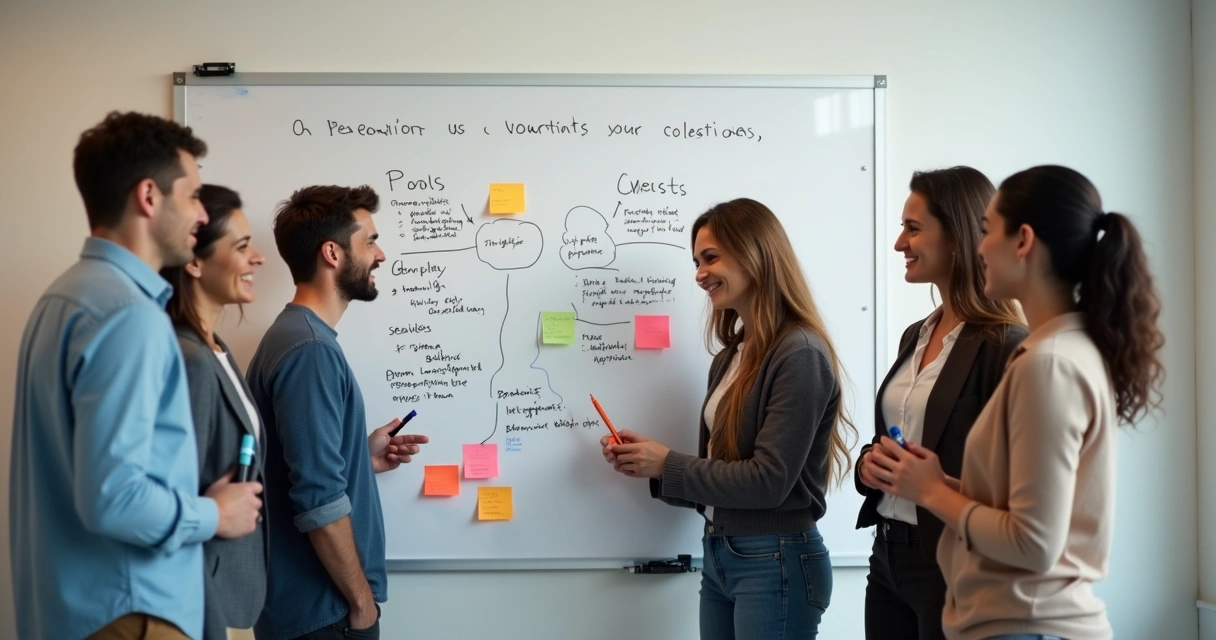
Balance brings the spark that teams need to move forward together.
Conclusion
Understanding both emotional labor and intellectual labor is not just a human resources idea. It is the foundation of how teams move together, support each other, and build results that last. We have watched teams transform just by recognizing and honoring these different kinds of work. If we want our teams to thrive—not just survive—we must see, celebrate, and share both the heart work and the head work in equal measure.
Frequently asked questions
What is emotional labor in teams?
Emotional labor in teams is the ongoing effort of managing personal feelings and supporting the emotions of others while working together. It involves actions like listening, showing empathy, maintaining calm under pressure, and helping others navigate stress. This work often remains invisible but has a direct impact on trust and group spirit.
How is intellectual labor different?
Intellectual labor focuses on mental tasks such as thinking, problem-solving, and analyzing information. It is about using knowledge and skills to generate ideas, develop strategies, and find solutions. Intellectual labor is usually more noticeable, with tangible outputs like plans or reports, while emotional labor influences the overall mood and resilience of the team.
Why does emotional labor matter?
Emotional labor matters because it sets the tone for collaboration, trust, and honest communication. Teams with healthy emotional labor handle disagreements, setbacks, and pressure more effectively. Without it, even groups with high intellectual skills struggle to work well together over time.
How to balance emotional and intellectual labor?
To balance the two, we recommend making both kinds of work visible and valued. Share emotional responsibilities instead of letting them fall to a few individuals. Acknowledge efforts that strengthen the team spirit, and encourage all members to learn and practice empathy, patience, and communication skills along with technical knowledge. Open conversations about workload help keep the balance healthy.
Can emotional labor be measured?
Emotional labor can be noticed more than precisely measured. While it is harder to track than intellectual outputs, teams can observe signs such as increased trust, quick conflict resolution, and group energy. Feedback sessions and open discussions often reveal who is carrying more emotional weight, making it easier to share it more evenly.