

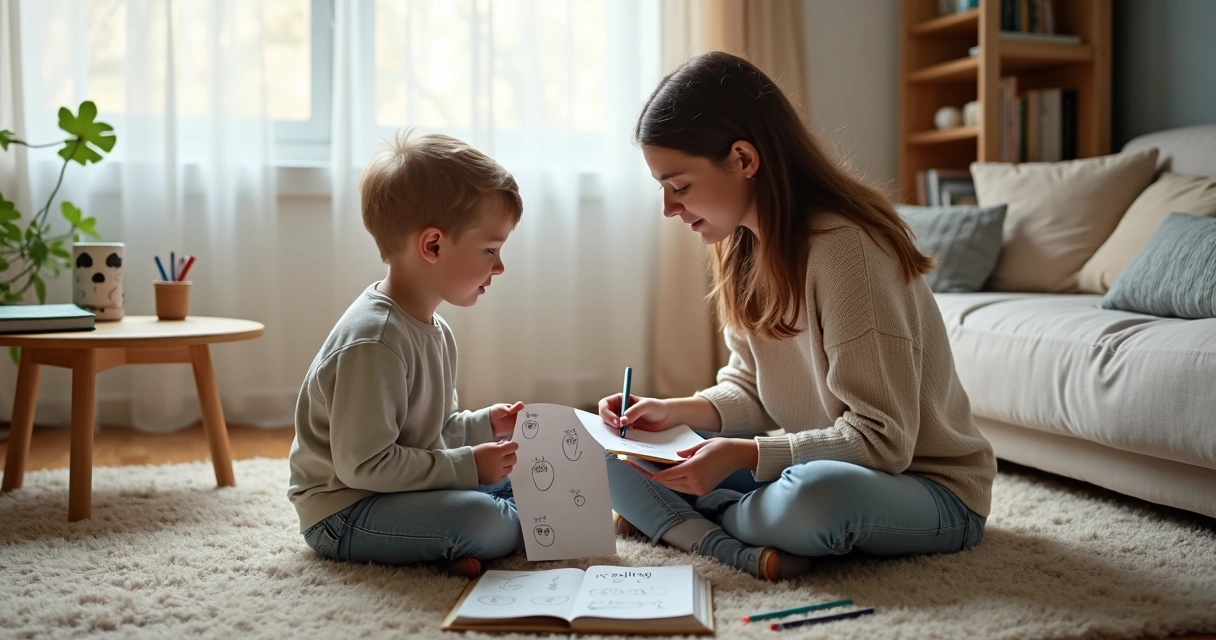
Supporting children in learning self-reflection at home can shape their ability to understand themselves, their emotions, and the impact of their actions far into the future. We think that the family environment is the first and strongest place for self-reflection to take root. At home, lessons are lived as much as they are taught. The way we listen, the patience we offer, and the questions we ask lay the groundwork for children to pause, think, and grow from the inside out.
Why self-reflection starts at home
Self-reflection is not simply a habit, it is a perspective. When we encourage children to reflect on their actions, feelings, and decisions, we do more than teach them a social skill. We offer them the foundation for mature responsibility, emotional balance, and true learning.
Children learn to reflect not from formal lessons, but from frequent, small conversations and meaningful examples set by the adults around them.
This is the daily, hidden lesson of home life. Children absorb what they see and hear, noticing how we, as adults, handle mistakes, talk about our feelings, and respond to the world. Our attitude toward our own experiences teaches them more than any speech on self-awareness.
What is self-reflection for children?
In our understanding, self-reflection for children means:
- Recognizing and naming their emotions
- Noticing how feelings connect to thoughts and actions
- Thinking about the results of their behavior
- Finding ways to make better choices next time
It does not mean over-analyzing or becoming self-critical. Instead, it is about developing the habit of pausing and checking in with themselves, learning to consider other people, and choosing how to act mindfully.
To notice is the first step to change.
How to create an environment for self-reflection
We have found that environment comes before tools. Children need to feel safe to be open. Here are some ways to create the right foundation at home:
- Model honest self-reflection verbally. Say things like, “Today I felt frustrated when I was late. What helped me was taking a few deep breaths.” Children notice when we talk through our process out loud.
- Let them see mistakes as natural. Rather than hiding errors, we can share what we learned. This rewrites mistakes as chances to grow, not proof of failure.
- Listen patiently. When a child wants to share, stopping what we are doing and truly listening shows we value their inner world.
- Keep criticism gentle and focused on actions, not identity. For example, “Leaving shoes out makes it hard to find them later. What do you think would help?”
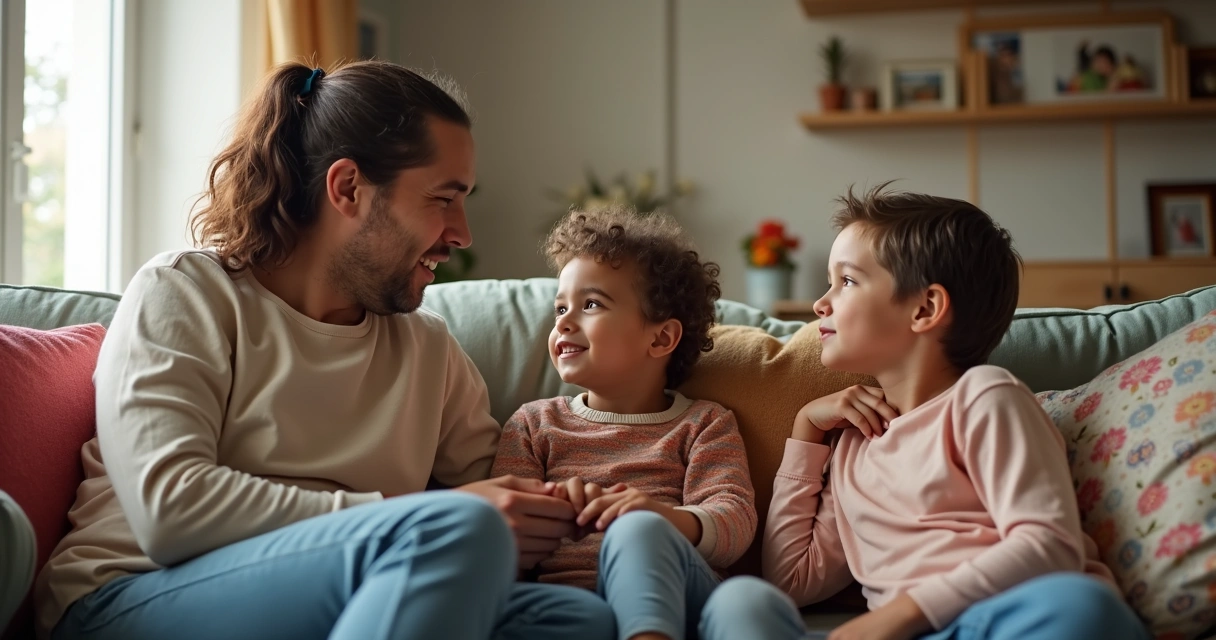
Children are more likely to reflect when they feel heard, respected, and not judged for their mistakes.
Simple self-reflection activities for children
We have seen that self-reflection can be playful, creative, and very natural. Here are a few activities we recommend:
- Feelings check-in: Ask, “What color is your mood today?” Use colors to help them express feelings that are hard to name.
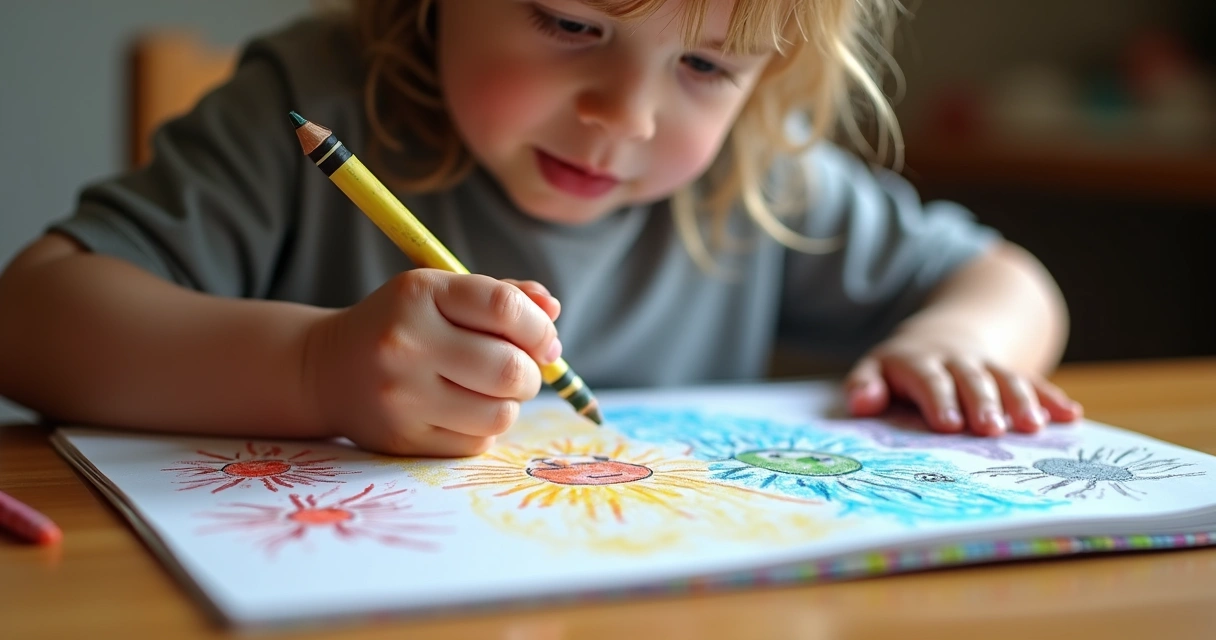
- Draw my day: Have children draw or write about their day, highlighting what made them happy, surprised, or even frustrated.
- Rose, bud, thorn game: At dinner or bedtime, everyone shares a “rose” (best part), a “bud” (something they look forward to), and a “thorn” (hardest part) from their day.
- Story swap: Together, retell a moment that didn’t go well. Ask, “What could you do differently next time?” or “How did you feel right after?”
- Mirror moments: Stand in front of a mirror and have your child describe themselves with three words that are not about their looks, such as “kind,” “strong,” or “brave.”
Activities become powerful when we do them often, so they become as familiar as washing hands. It is the small rituals that form deep habits.
Asking meaningful questions
Questions are keys. The right ones do not judge, but open space for curiosity. We like to use open-ended questions rather than yes/no questions, such as:
- What was the hardest part of your day?
- How did you feel when that happened?
- What would you do differently if you could?
- How do you think your friend felt?
- What do you want to try tomorrow?
Gentle questions make children think about their feelings, actions, and impact on others in a safe, supportive way.
We notice that sometimes children need time to answer. Silence is not failure. Silence means thinking is happening inside.
Silence can be where self-awareness grows.
Handling mistakes and difficult emotions
Making mistakes is a key part of self-reflection. When we treat mistakes as something bad, children avoid looking at them. But when we treat them as learning opportunities, children feel safe to be honest and open.
- Help them label emotions: “You look upset. Do you think you feel angry, sad, or maybe a bit of both?”
- Let them find solutions: Ask, “What might help you feel better next time?”
- Share your own experience: “Once, I forgot something and felt embarrassed too. What helped me was writing a list.”
This is how children learn that reflection is not about blame, but about understanding and change for the future.
Making it part of daily life
We believe self-reflection is much more effective when woven into daily routines, instead of being a separate lesson. If we add a small moment of checking in at bedtime or ask a thoughtful question at dinner, it becomes part of the atmosphere at home.
Routines create safe ground for new skills.
As time passes, children start to reflect to themselves. They surprise us, saying, “I was mad, but I stopped to breathe before talking.” Then we know these seeds are growing.
Conclusion
Teaching self-reflection at home is the art of making space—space for pauses, honest questions, and gentle listening. We grow this skill not by controlling children’s thoughts, but by inviting them to notice, name, and understand their feelings and actions. In our experience, families who take on these small daily practices build thoughtful, confident children who are ready to handle the world with self-understanding.
The habits started at home quietly shape who we become when we meet life’s challenges outside.
Frequently asked questions
What is self-reflection for children?
Self-reflection for children is the habit of pausing to notice what they are thinking and feeling, and considering how their actions affect themselves and others. It means asking, “How did that go?” or “What could I do next time?” instead of simply acting without thinking. This helps them understand the link between emotions, thoughts, and choices.
How can I teach self-reflection at home?
You can teach self-reflection at home by modeling openness, talking about your own feelings, and guiding children with gentle questions. Activities like drawing about their day, sharing moments at dinner, or talking about mistakes in a calm way also help children develop this skill in daily life.
What are good self-reflection exercises?
Good self-reflection exercises for children include feelings check-ins, drawing their day, playing the rose-bud-thorn game, telling stories about tough moments, and describing themselves with positive words. Small routines like these let children connect with their emotions and learn from daily experiences.
At what age to start self-reflection?
Children can begin simple forms of self-reflection as soon as they can talk about their feelings, often by age three or four. As they grow, these skills deepen. The key is to keep activities and questions age-appropriate, gentle, and based on curiosity.
Why is self-reflection important for kids?
Self-reflection is important for kids because it helps them understand their emotions, learn from mistakes, handle conflict, and build better relationships. Children who practice self-reflection become more aware of themselves and others, leading to stronger confidence and better decision-making throughout life.