


Stress has a way of dividing us from ourselves. When life feels overwhelming, we often get pulled in different directions by thoughts, emotions, and habits that seem at odds with each other. In our view, learning a simple process for self-integration during stressful moments is one of the best tools we can use to move from confusion to clarity, for ourselves and everyone around us. While it may sound complicated, self-integration can be a practical step-by-step experience, available to anyone willing to set aside just a few minutes for inner awareness.
Why stress divides us from ourselves
During stressful moments, most of us notice at least two things happen inside:
- Emotions surge: anger, sadness, fear, or shame can rise quickly and feel intense.
- Thoughts race: self-doubt, worry, blame, or past memories compete for our attention.
- Instincts take over: old habits, arguments, or cravings possibly show up.
This inner division is very human. We all have different parts inside, desires, beliefs, wounds, memories, and values. During calm times, these parts can work together. But under stress, they often compete or isolate, creating tension and confusion.
Integration is the process of getting our inner parts to collaborate, instead of pulling against each other during stress.
The impact of integration on stress
Self-integration doesn’t just feel better; there’s growing research that a deeper sense of wholeness reduces both acute and chronic stress. For example, studies among immigrants showed that higher levels of bicultural harmony and social groundedness were linked to lower psychosocial stress. Similarly, people with a higher sense of social integration experienced better mental health and life satisfaction.
When we integrate within, we can reconnect with others and the world outside.
In our experience, developing a simple personal practice of self-integration during stress can ripple outward, helping relationships, work, and even society as a whole. We think it forms the foundation for real maturity and healthy responsibility.
What is self-integration?
When people talk about “self-integration,” they may think of various ideas. For us, it means recognizing, accepting, and bringing together the different parts or selfs inside us, mental, emotional, and instinctual, so they can work as a team, not adversaries.
Self-integration is not about suppressing feelings or denying parts of ourselves; it’s about listening and allowing each part to have a voice, before finding common ground inside.
This process helps reduce the “inner war” that so often fuels external conflict. And, as we’ve seen in studies such as the Madrid Cross Sectional Study, higher levels of personal integration and social support can actually lessen the grip of stress on our minds and bodies.
The simple process: four steps to integrate during stress
Here is a straightforward practice we suggest for self-integration in moments of stress. Practice it as a whole, and adjust as needed for your unique life situation.
Step 1: Pause and anchor
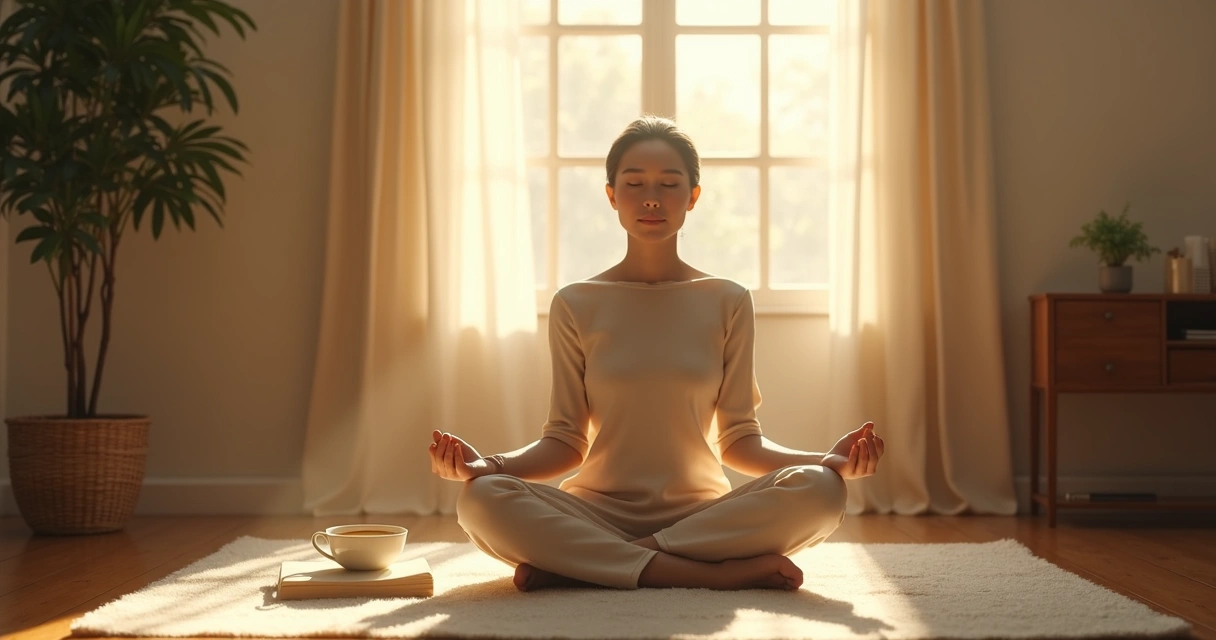
Stress usually urges us to react. Before doing anything, we start by pausing: try sitting down, closing your eyes, and taking three slow breaths. Feel your feet on the ground or touch an object near you. These small actions help anchor us back in the present moment.
Stopping for a breath interrupts the stress pattern and opens a window for awareness.
Step 2: Listen to your inner parts
Once anchored, we ask ourselves: “What’s going on inside me right now?” Notice if there are different thoughts, feelings, or impulses. For instance, maybe part of you feels afraid and wants to hide, while another part is frustrated and wants to shout, and yet another wants comfort.
We suggest naming each part, even in simple terms like, “the worried part,” “the angry part,” or “the tired part.” There is no need to judge. The goal is to let each inner voice be heard, even if they seem to contradict each other.

Step 3: Include and let be
As we listen, we practice inclusion, allowing each self to exist, even if it’s uncomfortable. We say quietly, “You’re allowed to be here.” This step can be hard, especially if one part is filled with criticism or fear. But inclusion of all parts (not just the ‘good’ ones) is what makes integration possible.
We’ve noticed that, when we allow our inner experiences without resistance, tension drops and internal conflict softens. This makes space for a more balanced response.
Step 4: Find the common ground
Now we ask: “What does each part want for me? What is the underlying care or need?” Surprisingly, even critical or painful selfs are often trying to protect us or help us feel safe.
By seeing their positive intent, we can imagine what agreement could look like. For example, “The angry part wants dignity,” “The worried part wants safety,” “The tired part wants rest.” We may not meet every need right now, but acknowledging each one helps us act from wholeness, not division.
Integration is not perfection, it’s inner cooperation.
This is our invitation: to end each practice by thanking your parts. Say within, “Thank you for telling me. I’m here with you.” Then return to daily life, noticing how much freer and more centered you feel.
Making integration a habit
We find that this process can be done in as little as five minutes, or extended as needed. The more regularly we do it, the easier it becomes to bring these inner parts together, even during very stressful events.
Research, including a 24-year cohort study of U.S. health professionals, showed that people with higher integration and social connection had a lower risk of mental distress, even over decades.
Integration can also be made into a group activity or shared among friends, partners, or family, amplifying its benefits. Many people report clearer thinking, better moods, and stronger relationships after practicing these steps together or alone, especially in the middle of life’s storms.
Conclusion
We believe that stress lives on division, but calm grows from inner unity. A simple process of self-integration doesn’t ask us to change who we are, only to notice, accept, and welcome all that is within us. When we act from a more integrated self, we often find better solutions, kinder words, and more resilient health. And over time, this inner integration can spill into our relationships, communities, and even the wider world.
Real change starts inside, with awareness, respect for our inner diversity, and a small, practical step toward unity during stress.
Frequently asked questions
What is self-integration during stress?
Self-integration during stress means recognizing and bringing together the different parts inside us, such as thoughts, feelings, and instincts, so they can work as a team rather than in conflict. This approach helps us respond from a place of wholeness, not just emotion or habit.
How can I start self-integration steps?
We suggest starting with four simple steps: pause and anchor with a few deep breaths, listen to your inner parts without judgment, allow each part to exist, and then look for their positive intentions. Even practicing this for a few minutes can create more calm in stressful times.
Why is self-integration helpful for stress?
Integration reduces inner conflict, which is a major source of stress. Studies suggest that people with a higher sense of integration, both internally and with others, have better mental health, more life satisfaction, and stronger resilience during challenging times.
How much time does self-integration take?
This process can be done in five to ten minutes, though taking more time is helpful when possible. Consistency is more valuable than length; regular practice builds the habit, making it easier to integrate quickly in daily life.
Can self-integration reduce anxiety quickly?
Self-integration can bring relief from anxiety within a short period, especially when we pause, notice our inner parts, and approach them with acceptance. While not a replacement for professional care in severe cases, this practice often provides immediate calm and clarity.