

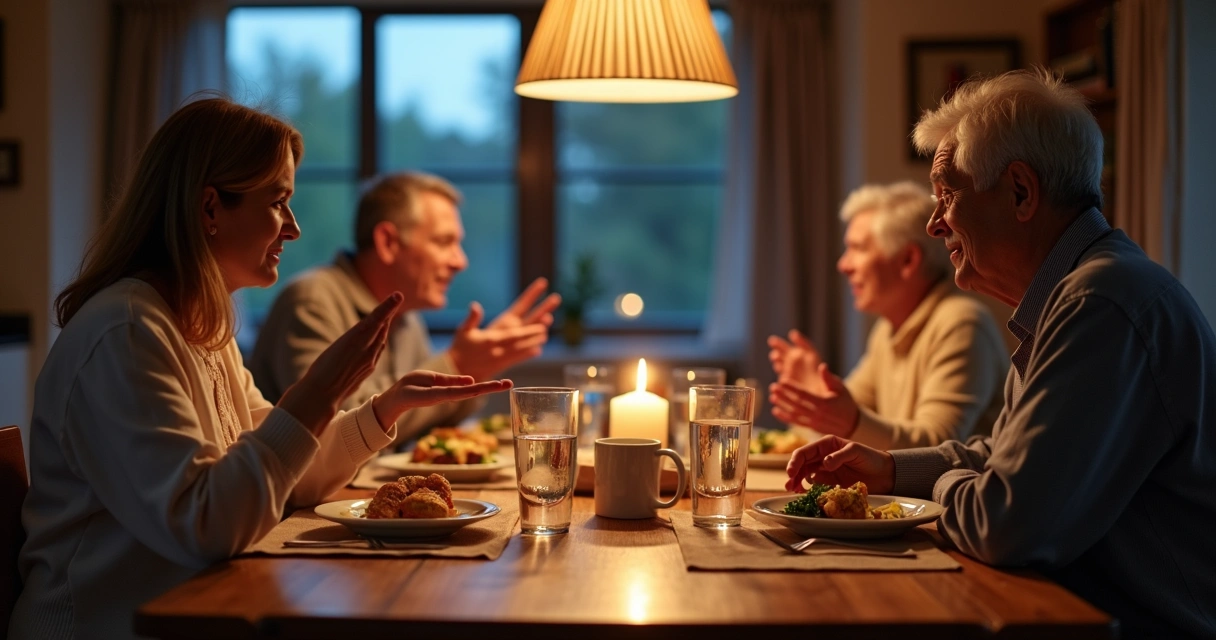
Family conversations can heal, but they can also harden old pain. We have all seen it happen. One person speaks from hurt, another hears blame, and within minutes the room feels smaller. Emotional witnessing offers another path. It helps us stay present with what is felt, without rushing to fix, judge, or control it.
Emotional witnessing means giving calm, honest attention to another person’s inner experience.
In our experience, this practice changes the tone of family life because it slows reaction and makes space for reality. We stop fighting the feeling and start meeting the person. That sounds simple. In real homes, it takes work.
A parent may hear, “You never listen,” and feel attacked at once. A partner may hear silence and assume rejection. A sibling may turn one small comment into a full replay of childhood pain. These moments are not rare. They are family life under pressure.
Recent findings from a 2024 Gallup survey on how youth and parents handle upset feelings show how common this strain is. Many young people report stress and anxiety, and many parents say they struggle to comfort a child or communicate well when emotions rise. That gap matters. When we do not know how to witness emotion, we often try to shut it down.
What emotional witnessing looks like
Emotional witnessing is not passive. We are not sitting there, cold and detached, while someone suffers. We are present, attentive, and steady. We listen for the feeling under the words. We notice the body, the tone, the pauses. Then we reflect back what seems true, with care.
Presence before advice.
That may sound like:
“We can hear that this really hurt you.”
“It sounds like you felt left alone in that moment.”
“We may not fully agree yet, but we want to understand what this was like for you.”
Witnessing does not mean agreeing with every interpretation. It means honoring the reality of the emotion.
This difference matters in families. If a teenager says dinner felt tense, we do not need to accept every detail as fact in order to recognize fear or shame. If a spouse says, “I felt dismissed,” we do not need to argue the timeline before meeting the feeling. We can stay with the emotion first, then sort facts with a clearer mind.

Why families struggle with it
Most of us were not raised with this skill. We were taught to defend, explain, minimize, or go silent. So when emotion enters the room, our old patterns wake up fast.
We have noticed three common blocks:
Speed. We answer too fast and miss what was actually said.
Self-protection. We feel accused, so we protect our image instead of meeting the pain.
Fear of intensity. We worry that if we allow strong feelings, everything will fall apart.
Family culture also shapes what gets spoken and how. Research published in Frontiers in Psychology on how mothers and children talk about negative events found that families often return to certain pain themes, such as parental conflict, sibling conflict, and disappointment, while emotional language varies across cultural settings. We think this is a helpful reminder. Emotional witnessing is not a script. It must fit the emotional style of the home while still making room for truth.
How to practice it in real time
When a family talk gets charged, we need simple actions we can trust. Not perfect words. Steady ones.
A good sequence often looks like this:
Pause before replying.
Name what we hear the person feeling.
Check if we got it right.
Stay with the feeling before moving to solutions.
For example, imagine a child says, “No one cares what I think in this house.” A quick reaction might be, “That is not true.” Emotional witnessing sounds different. We might say, “You sound hurt and pushed aside. Is that what this feels like?” That one shift can lower defensiveness in the whole room.
A named feeling often becomes more bearable.
If the person says no, we stay open. “Help us understand it better.” That is part of the practice too. We are not trying to sound wise. We are trying to make contact.
What to avoid during hard talks
Some habits break trust even when our intention is good. We have all used them at some point.
Try to avoid these responses:
Correcting facts too early
Comparing pain between family members
Turning the focus back to ourselves
Using logic to cancel emotion
Demanding calm before offering safety
One family we once reflected on had a pattern at the dinner table. Every time the youngest tried to speak about school stress, the adults rushed in with advice. Grades, routines, planning, discipline. All useful things, but too early. The child stopped talking. Not because help was offered, but because no one stayed long enough with the feeling. Advice without witnessing can feel like distance.

Small phrases that help
Words shape emotional safety. We do not need many. We need the right kind.
These phrases often support witnessing:
“We are listening.”
“That makes sense from where you stand.”
“We can see this stayed with you.”
“Take your time.”
“We want to understand before we answer.”
And sometimes the strongest response is brief.
Stay. Do not rush.
Silence, when warm and attentive, can witness more deeply than long speeches. The person feels that we did not turn away.
Conclusion
Emotional witnessing in family conversations is a discipline of presence. We slow down, listen beneath the words, and respond to the feeling before we defend our position. That choice can change the emotional climate of a home over time.
We think families grow stronger when they learn this. Not because conflict disappears, but because conflict stops becoming emotional abandonment. A witnessed feeling does not always vanish. Still, it often softens enough for real dialogue to begin.
When people feel seen, they become more able to hear others.
Frequently asked questions
What is emotional witnessing in families?
Emotional witnessing in families is the practice of noticing, naming, and respecting what a relative feels during a conversation. We do not rush to fix or judge. We stay present and show that the person’s inner experience matters.
How to start emotional witnessing at home?
We can start with short pauses, simple reflection, and fewer interruptions. Try saying what you hear before giving your opinion. Phrases like “You sound upset” or “We want to understand” help create safety for honest talk.
Why is emotional witnessing important?
It matters because many family conflicts grow when people feel ignored, corrected, or alone in their pain. Emotional witnessing lowers defensiveness and helps family members feel respected, even when they disagree.
Can emotional witnessing help family conflicts?
Yes. It can reduce escalation by helping each person feel heard before the problem is discussed. We may still need boundaries, repair, and clear decisions, but witnessing often creates the calm needed for those steps.
What are the benefits of emotional witnessing?
The benefits include better listening, more trust, less reactive speech, and deeper emotional safety at home. Over time, families may also become more honest, more patient, and more able to recover after hard conversations.