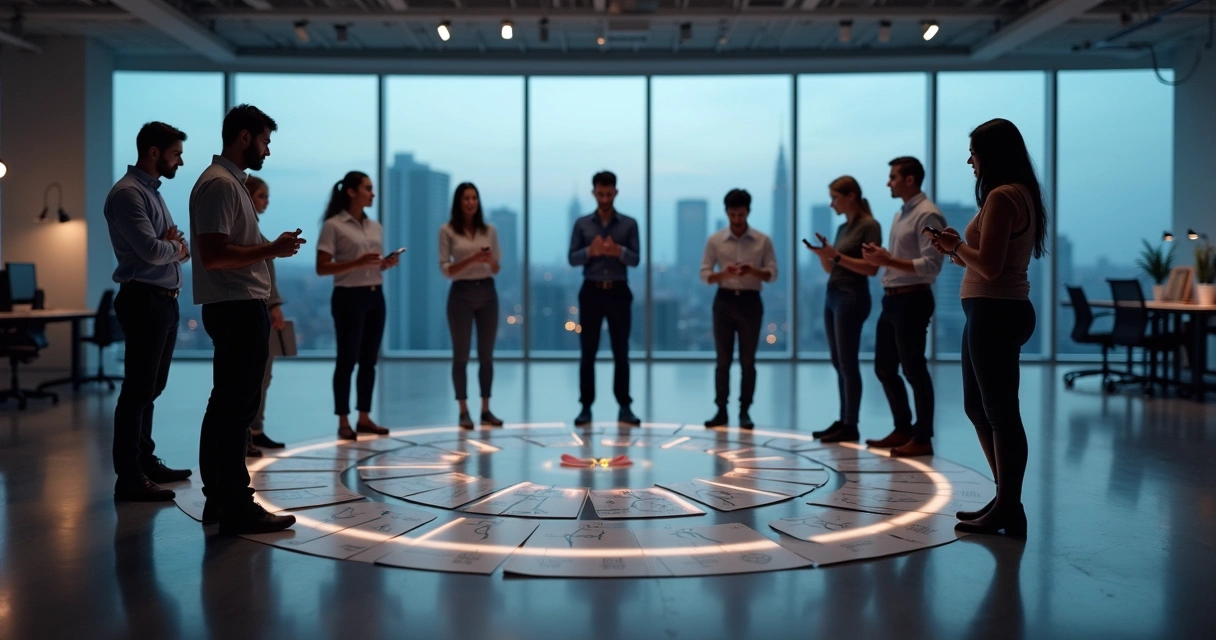

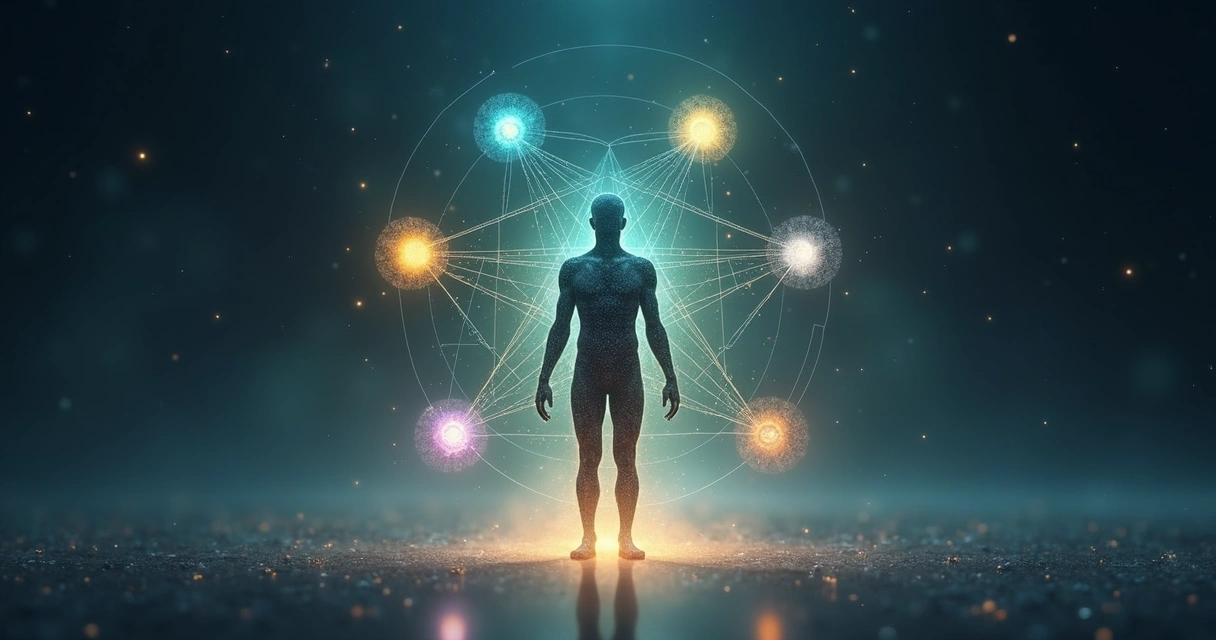
When we reflect on the hidden currents guiding our personal, cultural, and collective experiences, we often wonder what truly shapes the world around us. Is it systems, history, or something even more fundamental? We think the answer lies somewhere deeper—in the field of consciousness. This is where the Five Sciences Model comes in, offering a fresh lens to understand how our inner life translates into shared realities.
What is the Five Sciences Model?
The Five Sciences Model presents a structured way of understanding how human consciousness actively shapes society, ethics, environment, and knowledge itself. With roots in ancient philosophies and the lived experience of interconnected island societies, this model helps us see ourselves not as isolated individuals, but as nodes in a collective field. Our thoughts, emotions, and choices ripple out, influencing everything from organizations to entire cultures.
Consciousness is not just an individual experience—it is a creative force shaping the world.
By organizing wisdom from philosophy, science, and practical ethics into five distinct sciences, this framework shows how different aspects of consciousness work together to generate what we later call society, culture, or economy. Each science illuminates a particular dimension of this ongoing process.
Why the Five Sciences matter right now
There is a growing recognition that social, environmental, and economic challenges are symptoms of something deeper: a crisis of consciousness. Systems that separate knowledge from responsibility or personal growth from societal health are showing their limits. Our world needs a deeper foundation, where ethics and sustainable action arise naturally from mature consciousness.
Recent studies examining responsible leadership highlight a truth mirrored in the Five Sciences Model: the relationship between internal maturity and positive collective outcomes is stronger than many realize.
The structure: What are the five sciences?
The Five Sciences Model is organized as a systemic framework, each science addressing a unique facet of how consciousness flows, builds, and interacts. The sciences connect in a dynamic way, reinforcing and refining each other through ongoing practice and reflection.
- Science of Self – Understanding, transforming, and integrating the layers of one's own consciousness.
- Science of Relationships – How consciousness creates and navigates human connections.
- Science of Culture – How shared meanings, values, and intentions form the backbone of social reality.
- Science of Systems – How conscious patterns structure organizations, economies, and collective behaviors.
- Science of Impact – How choices, visible and invisible, manifest as lasting effects in the world.
This complete mapping is rooted in traditions that recognized the “field effect”—that small groups, when centered and conscious, can quietly tip the scales in society as a whole. For example, scientific research on distributed consciousness practices points out that even slight increases in collective coherence can result in lowered social tension and improved quality of life for entire communities.
Breaking down each science
We find the best way to make sense of a model is to see it in action. Here is what each science involves and how it supports actual transformation:
Science of Self
At the heart is self-knowledge. This science focuses on observing thoughts, regulating emotions, and recognizing the way our intentions drive action. But observation alone is not the goal. The Science of Self guides us to integrate split-off aspects, moving away from automatic reactions toward conscious choice.
Self-mastery is not suppression, but integration—acknowledging all internal parts to foster unity and maturity.
In our experience, as individuals grow in self-understanding, their ability to act from ethical clarity naturally follows. This is the first field of transformation, and it sets the tone for everything that comes next.
Science of Relationships
While the internal world sets the foundation, relationships are where it is most clearly tested. This science studies how individual fields of consciousness interact, forming patterns of communication, cooperation, and sometimes conflict.
Healthy human connections depend on a willingness to recognize the sacredness in others—to see beyond surface differences and cultivate deep listening. When relationships mature, they become creative spaces, birthing solutions and cultures that could never be generated by isolated individuals.

Science of Culture
From these creative relationships, the Science of Culture emerges. Here, attention turns to how shared meanings, language, and rituals shape both identity and group behavior. Culture is seen not as a static thing, but as crystallized consciousness—living and evolving as its members mature.
Research into traditional Marquesan networks, visible in stone tool exchange across islands, confirms that even low-hierarchy societies can maintain complex, dynamic networks that support growth and harmony (see peer-reviewed studies of Marquesan material culture).
This science brings home the message: Our culture reflects not just our history, but the maturity of our collective consciousness.
Science of Systems
Culture finds form in the systems we build—organizations, economies, educational models. This science studies how conscious intentions pattern the “rules of the game,” shaping incentive structures, cycles, and blind spots. Sustainable systems require conscious design, and cannot simply be patched up from the outside.
Observations from studies in education, such as the one focused on the gap between awareness and implementation of sustainable goals, point toward the need for maturity at all system levels. Only when clarity, empathy, and responsibility underpin our systems do they become stable and ethical by default.
Science of Impact
The last science brings attention to outcomes—how all the layers above manifest as lived reality. Here, impact is not reduced only to external or measurable results, but is understood as the full spectrum of effects—seen and unseen—that our consciousness produces in the world.
Ethical clarity, environmental stewardship, and social harmony are not afterthoughts. They are the direct echoes of inner maturity as it radiates outward. This science supports us in tracking, refining, and taking responsibility for our impact, both now and into the future. The result is a feedback loop, where conscious reflection leads to better action each cycle.
How the sciences connect in real life
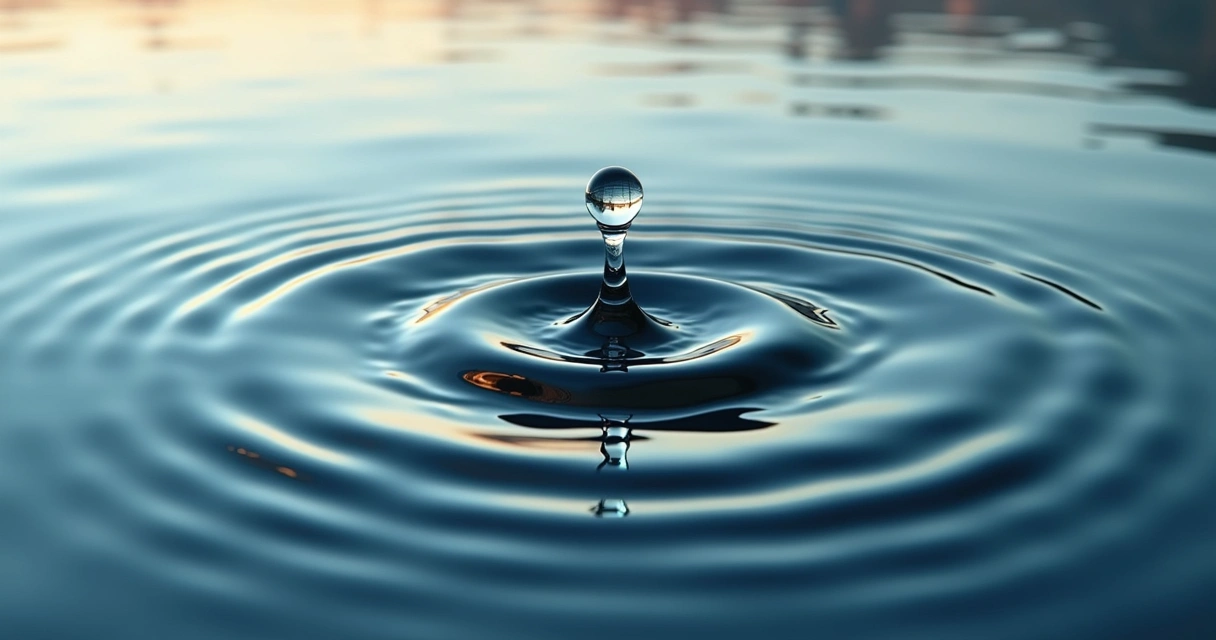
In our experience, when individuals and organizations bring these sciences together, what appears next is not just abstraction. Self-mastery creates the capacity for ethical relationships. Mature relationships shape positive culture. This leads to conscious systems and, finally, generates uplifting impacts in the world. The process is ongoing, alive, and self-correcting.
Small, distributed acts of conscious practice can have outsized effects, as research on distributed meditation and social harmony demonstrates. What we practice within becomes the blueprint for what we create outside.
The world we see is the echo of choices made in consciousness.
Conclusion
The Five Sciences Model offers a way to bring consciousness back to the center of human affairs. By practicing and integrating each science, whether individually or collectively, we foster maturity that naturally gives rise to ethical action and social harmony. Real change begins with inner work, but proves its value in the shared world we build—from self, to relationship, to culture, to systems, to impact.
Frequently asked questions
What is the Five Sciences Model?
The Five Sciences Model is a contemporary framework that organizes key aspects of human consciousness into five interconnected sciences: Self, Relationships, Culture, Systems, and Impact. Each science addresses a different way in which consciousness shapes personal and collective outcomes.
How does the model work?
The model works by providing clear areas of practice and reflection. Individuals and groups move through self-understanding, nurture conscious relationships, build open and dynamic cultures, design sustainable systems, and regularly assess their impact. Each science supports and refines the others, creating a living, adaptive process.
Who should use the Five Sciences Model?
Anyone interested in personal growth, ethical leadership, and sustainable social change can benefit from applying the Five Sciences Model. It is relevant for individuals, organizations, teachers, community leaders, and anyone willing to link inner maturity with outer impact.
What are the five sciences included?
The five sciences are: Science of Self, Science of Relationships, Science of Culture, Science of Systems, and Science of Impact. Together, they offer a comprehensive roadmap for integrating consciousness into every aspect of life.
Is the Five Sciences Model effective?
Studies in various fields, including organizational leadership and collective practices, suggest that focusing on consciousness and ethical maturity leads to more stable and harmonious outcomes. The Five Sciences Model is effective because it addresses root causes, not just surface issues, allowing individuals and groups to create positive, lasting change.