


In 2026, many groups are facing the same hard truth. Plans matter, tools matter, and structure matters, but none of them can hold a team together if people cannot sense one another well. We have seen this in families, schools, work teams, local networks, and volunteer circles. When pressure rises, the group does not rely only on rules. It also relies on a shared inner reading of what is happening.
Collective intuition is the group’s ability to sense meaning, risk, and direction before everything is fully explained.
This is not magic. It is not guesswork either. It grows when people listen well, notice patterns, and trust signals that appear between words. A room often tells the truth before a report does. We may feel tension, confusion, readiness, or quiet unity long before someone says it out loud.
That is where resilience begins. Not in denial. In perception.
Why this matters more in 2026
We are living in a time of fast shifts. Teams must respond to social stress, emotional fatigue, changing priorities, and constant noise. The old habit of waiting for perfect certainty is failing many groups. By the time all facts are arranged, trust may already be damaged.
In our view, 2026 is teaching us that resilient groups do one thing very well. They learn to read the field they are creating together. They notice mood, energy, silence, timing, and hidden strain. Then they respond before strain turns into rupture.
Strong groups feel early.
This shared sensing helps people act with less panic. It also helps them avoid the cold split between emotion and reason. The healthiest groups in tense periods do not reject emotion. They learn from it.
What collective intuition really looks like
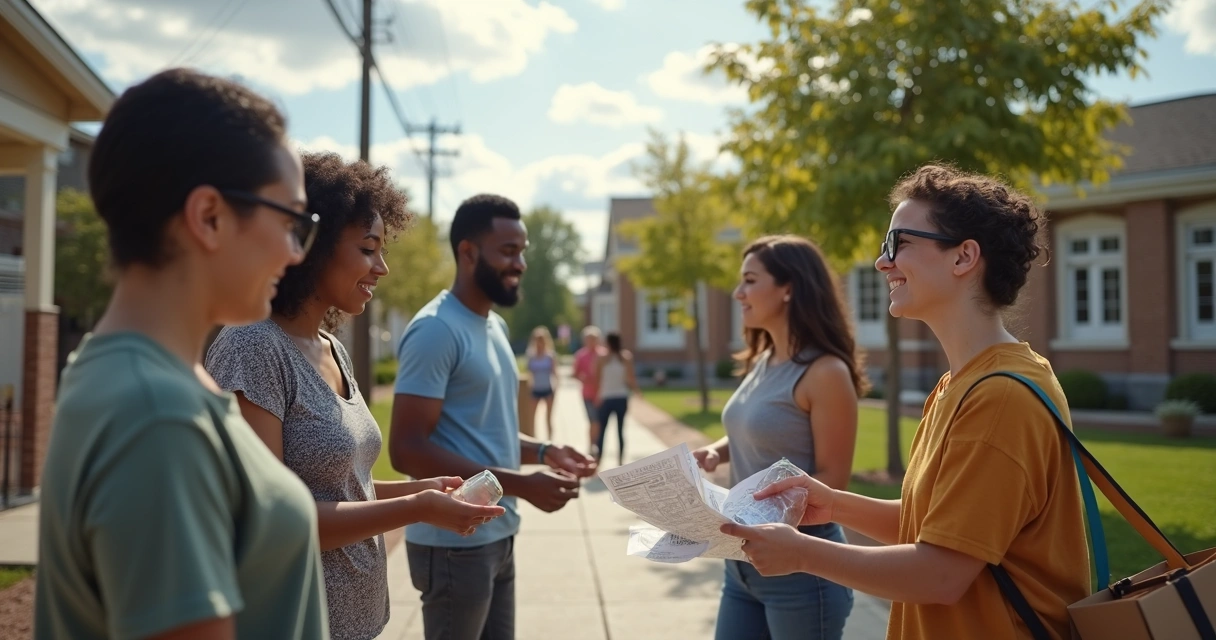
We often imagine intuition as an individual trait. Yet in practice, many of the clearest intuitive moments happen in groups. Think of a team meeting where no one says the plan is wrong, but everyone slows down. Or a neighborhood effort where one person starts helping and others join without long debate. Something is being read together.
Collective intuition appears when shared attention becomes stronger than individual noise.
It usually shows up through simple signs:
People notice the same concern without coaching.
Silence becomes informative, not empty.
The group adjusts quickly when reality changes.
Members sense who needs support before a crisis is named.
Decisions feel grounded, even when they are made fast.
We have noticed that these moments often feel ordinary at first. A glance. A pause. A different tone. Then later, we realize that the group knew more than any one person knew alone.
How intuition and resilience meet
Resilience is often described as the power to recover. That is true, but incomplete. Recovery is only one part. A resilient group also stays connected while stress is still unfolding. It bends without losing its center.
This is where collective intuition changes everything. A group that senses well can spot fracture early. It can see when one member is overloaded, when trust is thinning, or when a decision sounds smart but feels false.
Research supports this social side of resilience. Findings published in the British Journal of Social Psychology show that emergent social identity and perceived social support during disaster recovery are linked with greater collective efficacy, better well-being, and more support among members. We can read this clearly. When people feel they belong together and feel supported, their shared strength rises.
That shared strength is not only structural. It is relational. And often, it is intuitive.

Practices that help a group sense together
Collective intuition does not grow from pressure alone. It grows from habits. We have seen that groups become more resilient when they create simple conditions for honest sensing.
Some practices help more than others:
Start meetings with one minute of quiet so people arrive fully.
Ask what is not being said yet, not only what is clear.
Make room for emotional data without turning every feeling into drama.
Review past decisions and ask which early signals were missed.
Build routines of mutual support before emergencies happen.
These actions look small. Still, they change the quality of attention. And attention changes judgment.
We once observed a group facing a sudden internal conflict. The issue on paper seemed technical. Yet the room felt heavy from the start. Instead of forcing quick agreement, they paused and named the atmosphere first. Within minutes, the real issue surfaced. People were not resisting the task. They were carrying unspoken fear about losing trust. The practical problem was solved only after that deeper layer was seen.
Groups become more resilient when they learn to treat subtle signals as usable knowledge.
What blocks this ability
Not every group can hear itself well. Some are too rushed. Some are too guarded. Some confuse control with stability. When that happens, intuition gets buried under performance.
The most common blocks are easy to recognize once we look closely:
Fear of saying what feels off.
Leadership that rewards speed over clarity.
Chronic overload that keeps people reactive.
Lack of shared language for tension and trust.
Group habits built on image instead of honesty.
When these patterns stay in place, people stop sensing together. They may still function, but in a narrow way. They respond late. They fragment more easily. They protect roles instead of protecting the bond.
Resilience fails in silence before it fails in action.
What 2026 is teaching us now
The lesson is direct. A group does not become resilient only by becoming harder. It becomes resilient by becoming more aware, more connected, and more truthful under strain. Collective intuition is part of that maturity.
We think 2026 is exposing the limits of purely mechanical group culture. Metrics can show output. Schedules can show movement. But neither can fully show whether a group can remain human under pressure. Shared intuition reveals that layer. It helps people sense when to slow down, when to act, when to repair, and when to protect what still holds the whole together.
This does not mean every feeling should rule the room. It means the group learns to integrate signal with thought. The best responses often come from both. Calm perception. Clear reasoning. Real support.
Conclusion
Collective intuition teaches us that resilience is not just a system response. It is a consciousness response lived between people. In 2026, the groups that endure are often the ones that can sense reality before collapse makes it obvious. They do not wait for damage to become visible. They listen earlier.
We believe this is one of the clearest lessons of our time. If we want stronger groups, we must build better shared attention. When people learn to notice together, trust deepens. When trust deepens, support becomes natural. And when support becomes natural, resilience is no longer rare. It becomes part of the group’s character.
Frequently asked questions
What is collective intuition in groups?
Collective intuition in groups is the shared ability to sense patterns, tension, readiness, or direction before everything is fully stated. It comes from attention, trust, and repeated contact with one another. It is less about guessing and more about reading subtle signals together.
How does collective intuition build resilience?
It builds resilience by helping groups notice stress early, respond with less confusion, and support members before problems grow. When people sense together, they adapt faster and protect trust during hard moments.
Can any group develop collective intuition?
Yes, most groups can develop it if they build honest communication, emotional safety, and time for reflection. It does not depend on special talent. It grows through practice, listening, and shared experience.
What are examples of group resilience?
Examples include a family adjusting calmly during financial strain, a school staff supporting one another after a crisis, a neighborhood organizing aid after a storm, or a work team repairing conflict before it spreads. In each case, people stay connected while facing pressure.
Is group resilience important in 2026?
Yes. In 2026, many groups are dealing with uncertainty, emotional overload, and rapid change. Group resilience helps people stay steady, care for one another, and make wiser decisions together even when conditions are unstable.